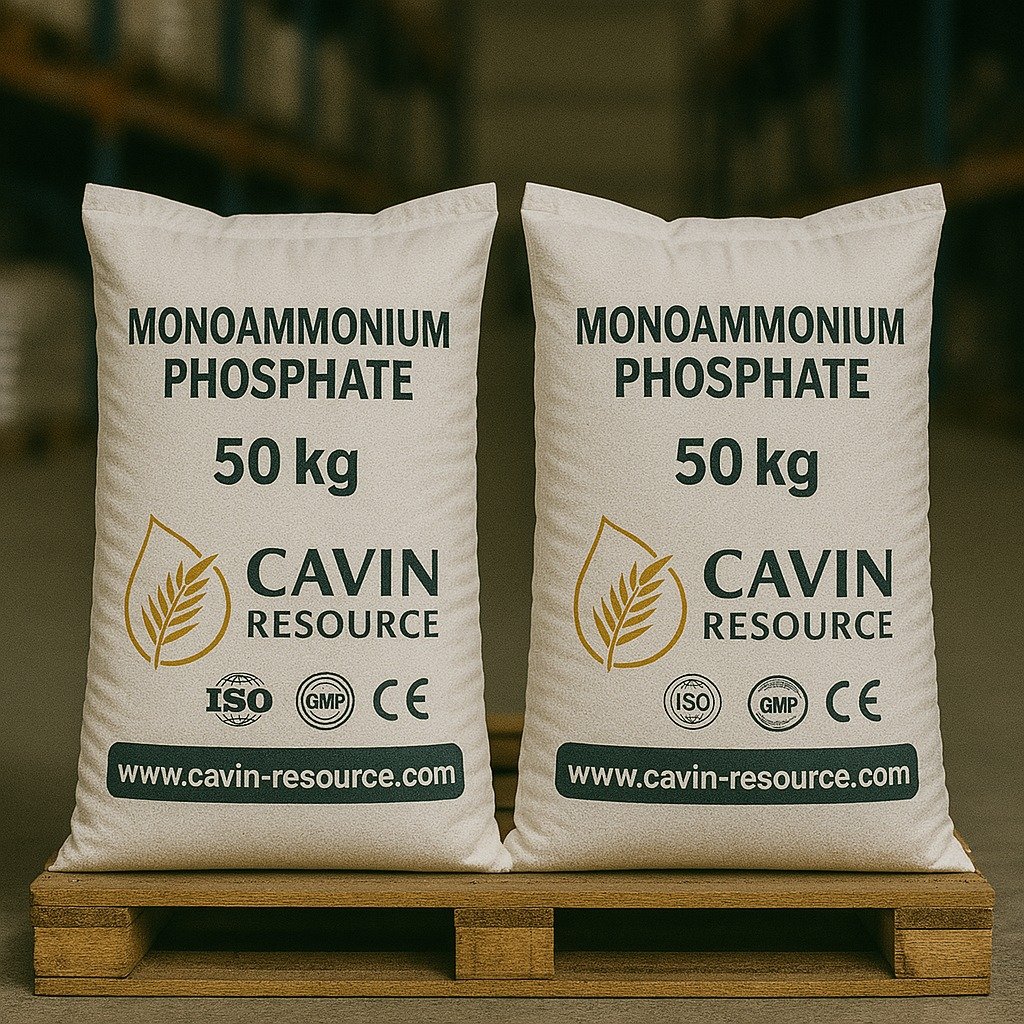
Monoammonium ammonium phosphate (MAP denotes a highly effective soil amendment prized for its particular composition . This crystalline substance , often referred to as eleven-fifty-two-zero , delivers significant amounts of P2O5 – essential for root growth – alongside a decent amount of ammonium nitrogen. The shortage of potassium oxide leads to its specific usage in farming where plant nutrition demands remain most important.
What Represents 11-52-0 Fertilizer? The Thorough Explanation
11-52-0 fertilizer is a specific kind of mixture primarily used to support P absorption in crops. The numbers, 11-52-0, indicate the percentage by weight of N, phosphorus, and K2O, respectively. Simply put, it contains 11% N, a substantial 52% P, and 0% potassium. This phosphorus-rich content makes it particularly valuable for establishing seedling growth and correcting phosphorus shortages in the earth. While it offers significant benefits, remember that it lacks potassium, so a complete blend may be needed for overall crop health.
MAP 11-52-0: Perks and Uses in Farming
MAP 11-52-0, or Monoammonium Phosphate , is a potent fertilizer widely utilized in current agricultural systems. Its specific composition – containing 11% ammonia and 52% phosphate – provides critical nutrients for plant growth and progress. Producers often use MAP 11-52-0 to increase initial development, promote early flowering , and enhance overall harvest.
- Promotes vigorous root systems.
- Important for early crop development.
- Assists in yielding high-quality crops .
Maximizing the Potential of Monoammonium Phosphate Compound
Monoammonium Phosphate offers significant opportunity for enhancing crop output. Its high content of both P and nitrogen makes it a ideal solution for many farmers , particularly in starter phases of maturation. Careful use of MAP can promote more robust seedling growth and enhanced overall agricultural vigor .
MAP Fertilizer
Monoammonium MAP fertilizer (11-52-0) is urea a key fertilizer recognized for its effectiveness to boost plant production . This unique formulation delivers a high concentration of phosphorus - essential for stem development and vigorous development - alongside a useful amount of N for strong leaf emergence. Using MAP correctly can generate considerable gains in overall crop productivity.
This Phosphate Fertilizer {11-52-0: Your Questions Addressed
Many producers have questions about MAP, particularly regarding its composition of 11-52-0. Essentially, this shows the percentage of N, phosphorus pentoxide, and potash respectively. It’s a highly soluble source of P, crucial for early plant establishment and flowering. Let's examine some common points:
- What are the upside of using MAP? MAP offers a concentrated dose of phosphorus, which can be particularly advantageous in soils with low levels of phosphorus.
- How should apply MAP? It’s typically applied and incorporated the soil, or used in band applications systems.
- Is it possible to combine MAP with other nutrients? While compatible with some, thoroughly check suitability to avoid reactions.
Note that soil testing is always important to determine the specific nutrient requirements of your crops.